Primary Injection vs Secondary Injection Testing
Secondary injection proves the relay; primary injection proves the CT, wiring and trip path. When each is required and how to sequence both.

Secondary injection proves the relay; primary injection proves the CT, wiring and trip path. When each is required and how to sequence both.
Differential protection is proven by injecting the currents the CTs deliver for through-load, through-fault and internal-fault cases, with every test point expressed in per-unit of rated current.
What secondary injection testing proves, how a test is staged from isolation to restoration, and the mistakes that make a relay test result unusable.
How to run an overcurrent relay test that survives review: pickup measurement, points on the time-current curve, instantaneous and directional checks, and the timing discipline behind defensible records.
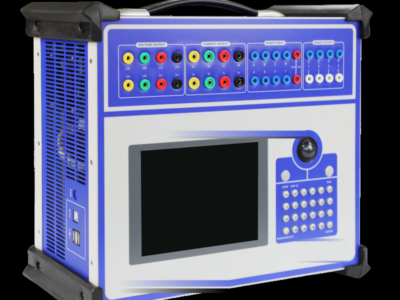
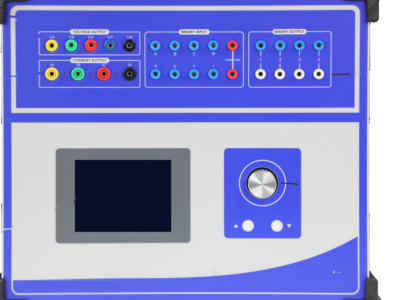
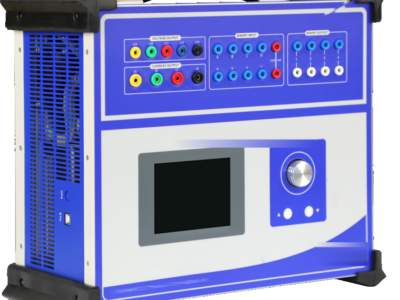
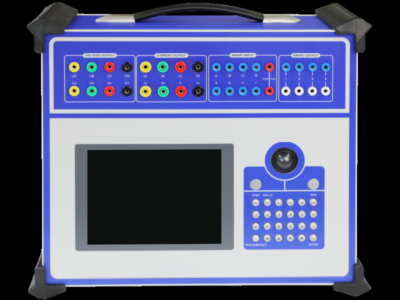
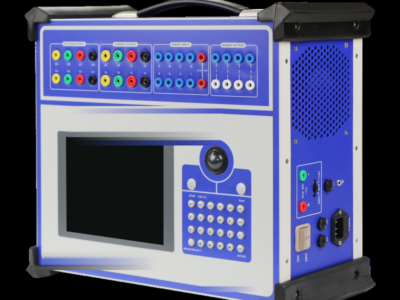
A relay test set is specified by the schemes it has to prove. This guide compares a three-phase and a six-phase machine on channels, per-phase power and portability.
How to build a zone test matrix for distance protection: reach and boundary points, phase and earth loops, and the source impedance the test set presents.
How to measure an excitation curve, read the CT knee point, and check ratio, polarity and burden before the relay injection tests begin.
Complete guide to protective relay testing: why it matters, types of tests, secondary injection methods, and best practices for commissioning and maintenance.